Comprehensive disaster management solutions for resilient communities
Structured community education on disaster risk identification and preparedness
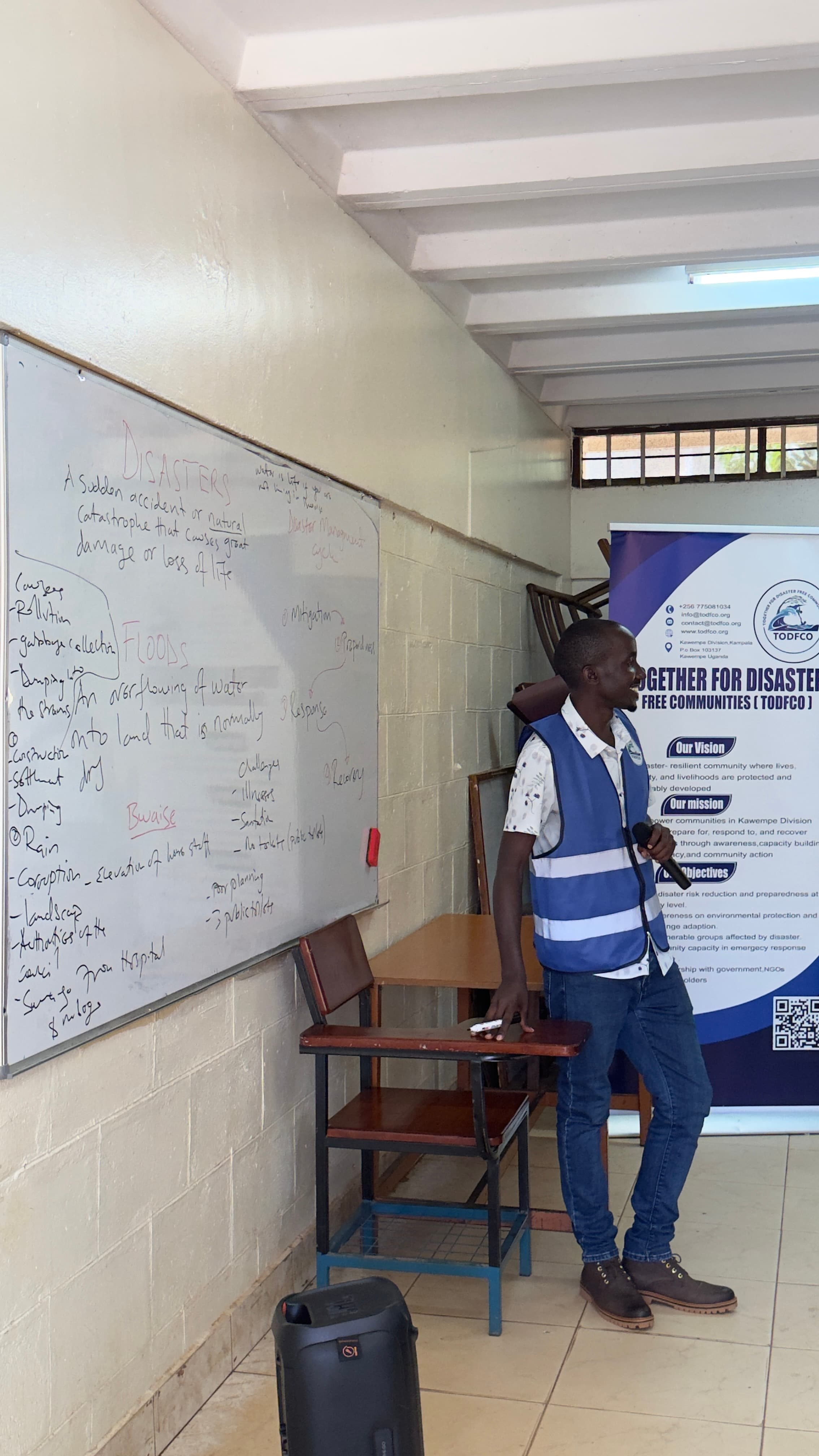
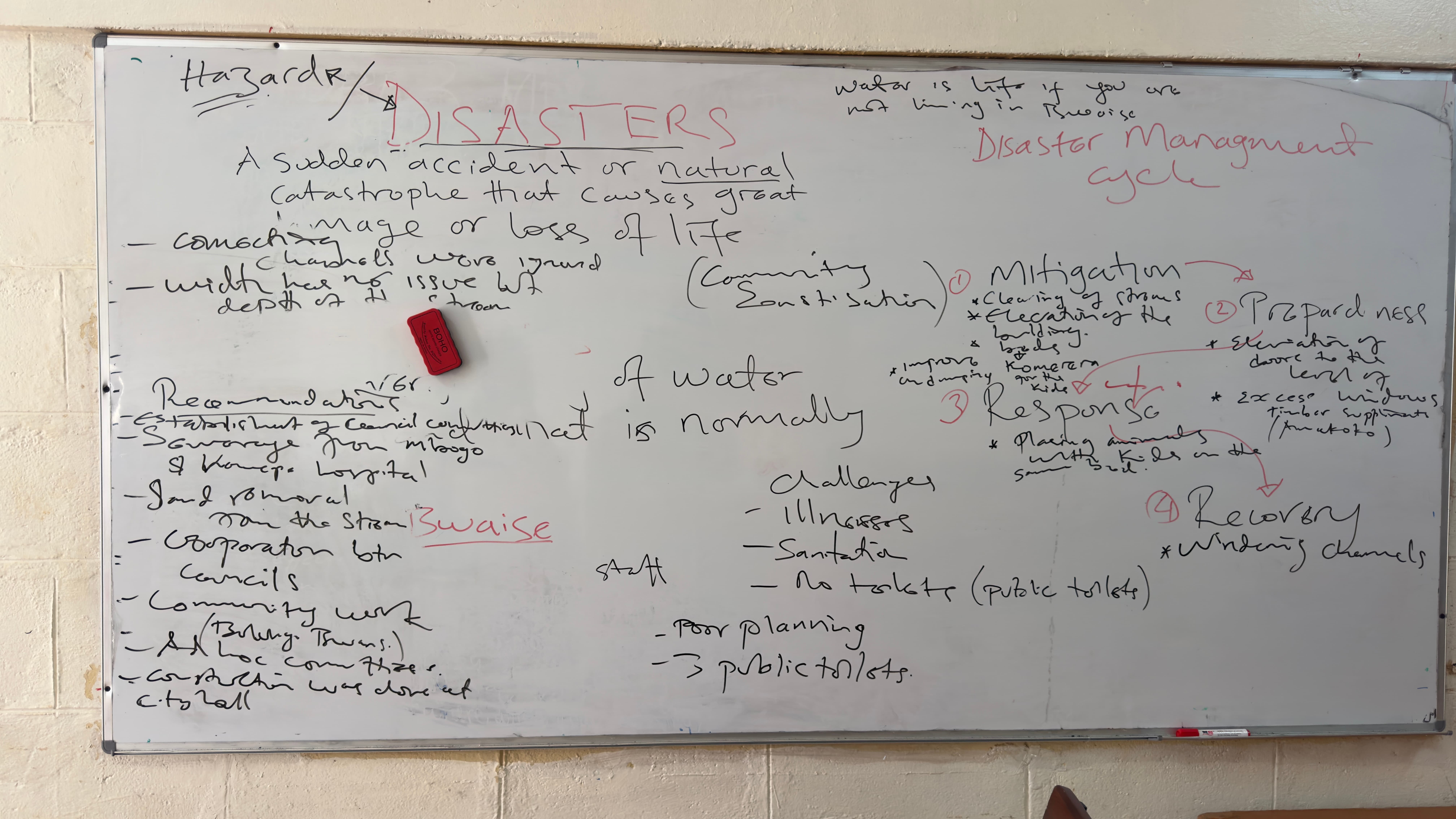
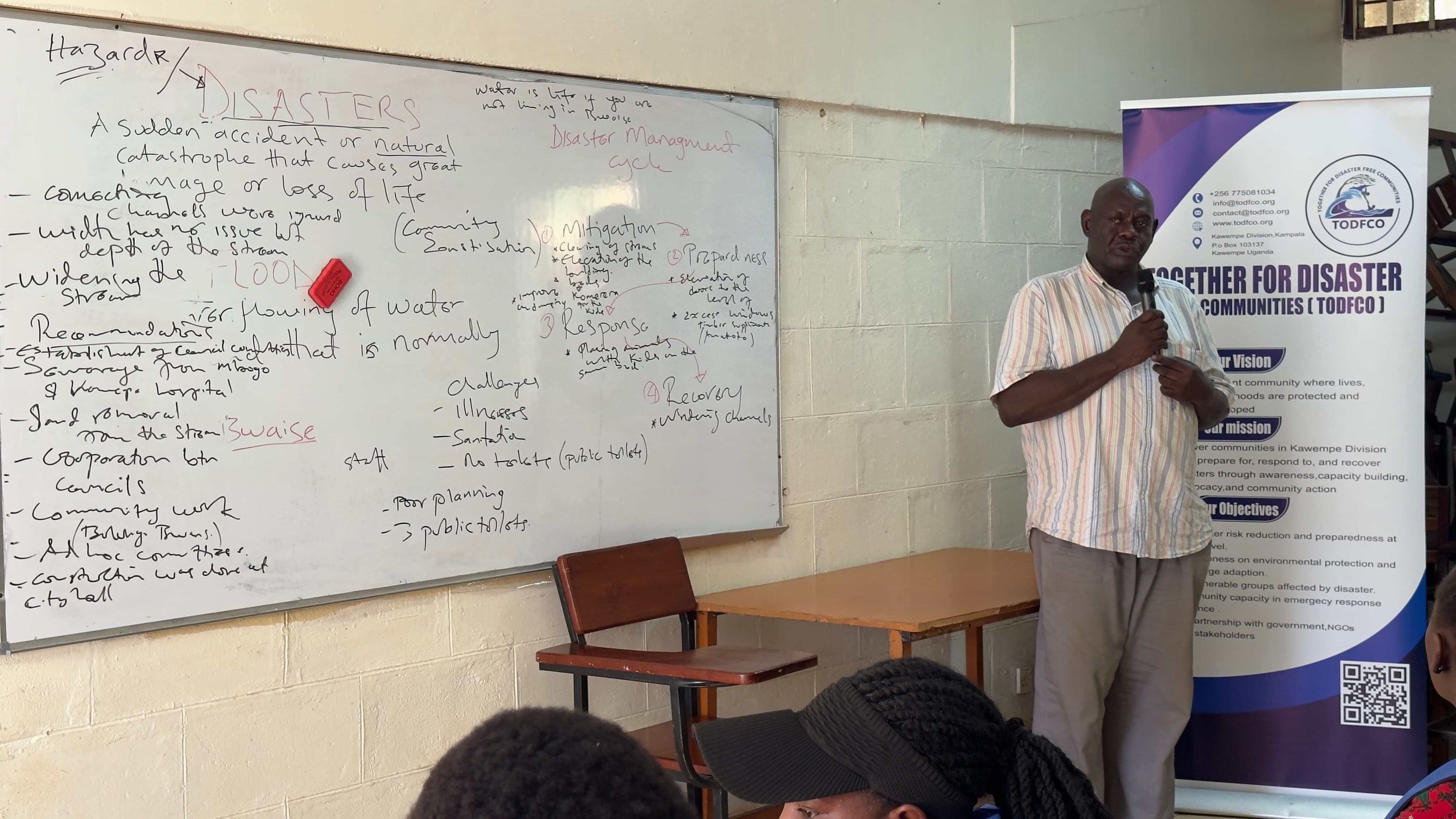
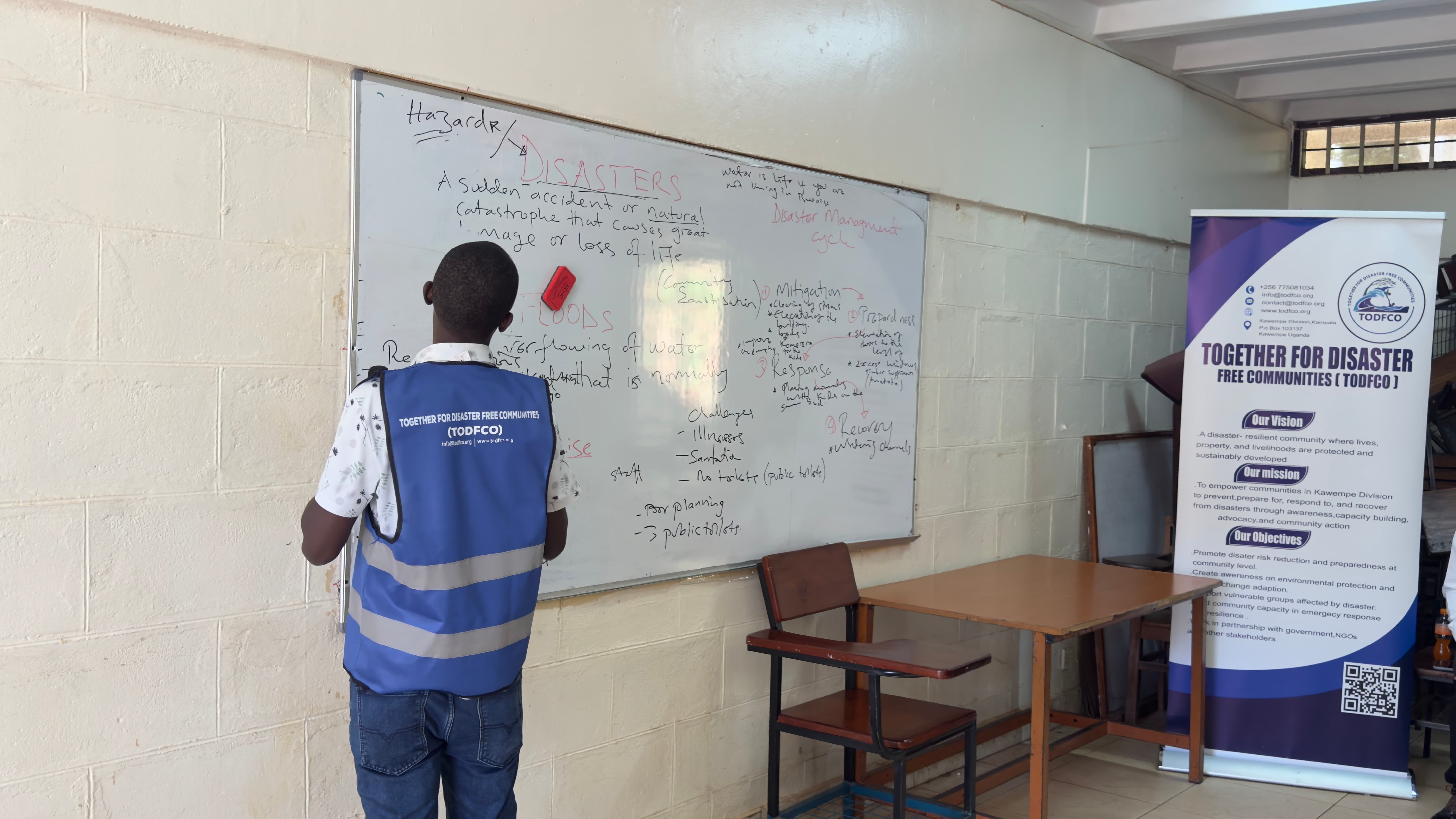
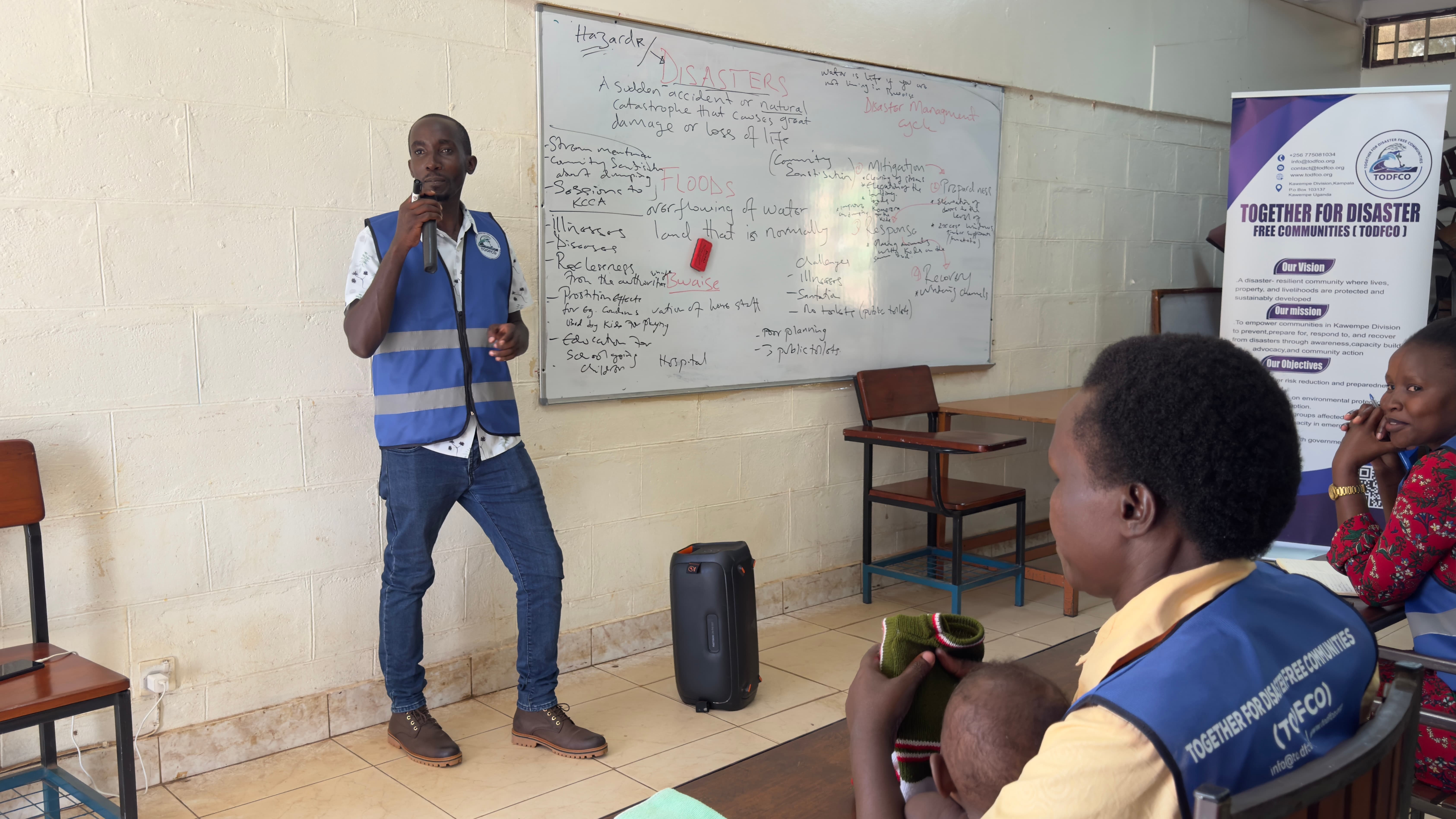
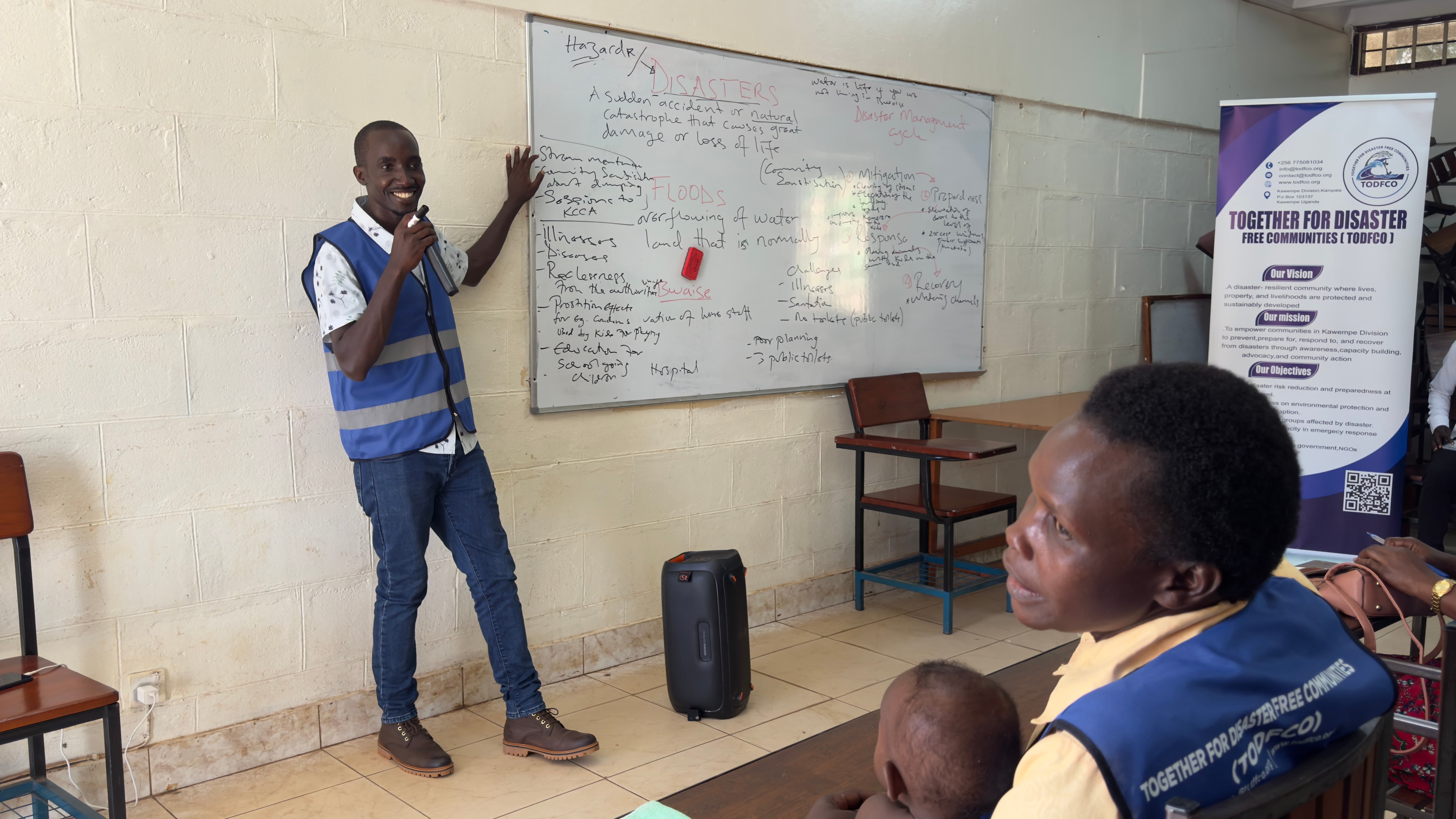
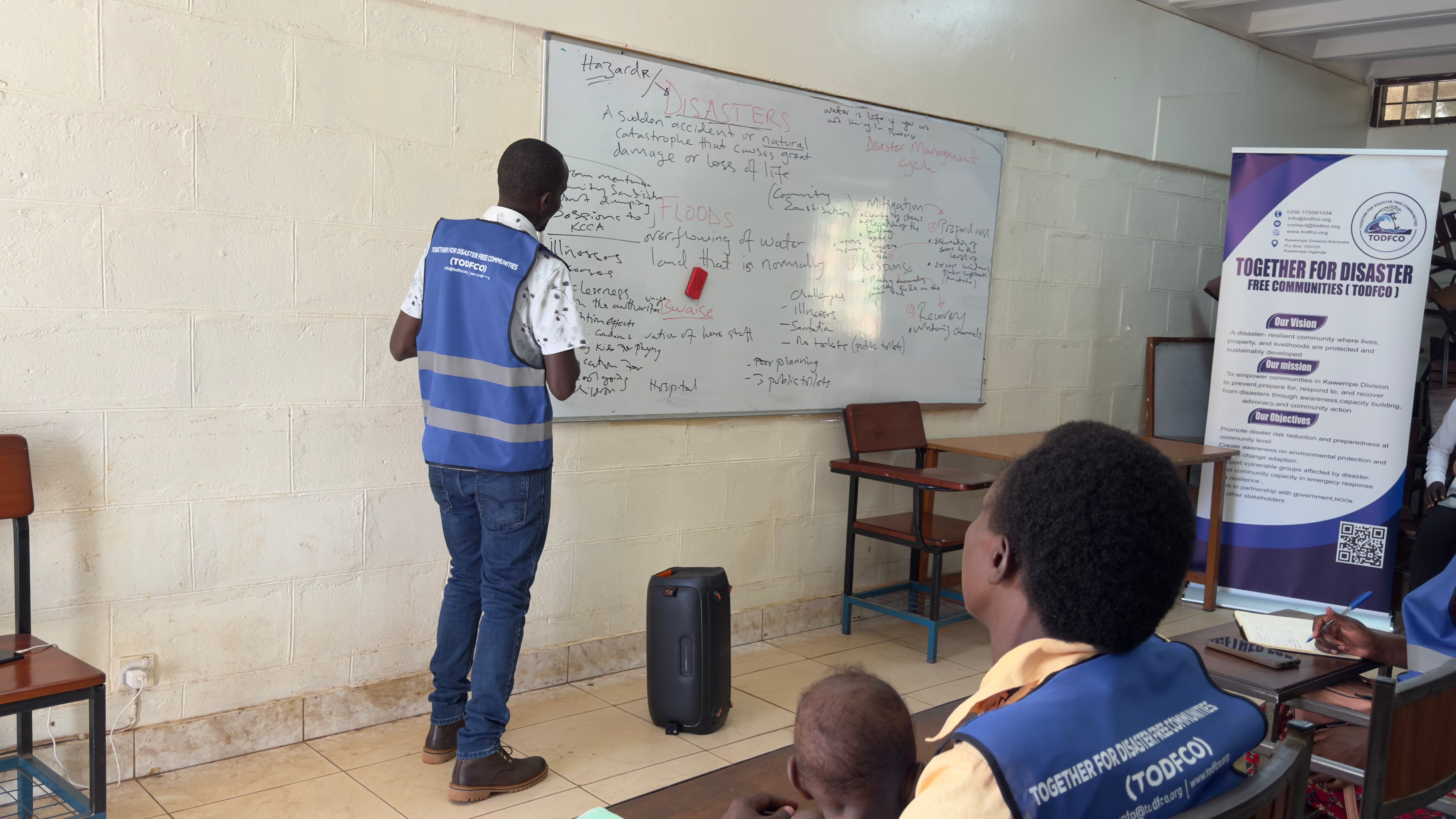
TODFCO conducts structured community trainings based on the Disaster Management Cycle. We teach the four key components:
Reducing exposure to hazards through environmental management and infrastructure improvements
Minimizing the impact of potential disasters through preparedness measures and community planning
Ensuring that communities are ready to act before disaster strikes through training and planning
Helping restore normalcy while strengthening future resilience through coordinated response
Our trainings translate technical disaster management concepts into simple, locally relevant practices that households can apply immediately.
Strengthening household and community readiness for flood emergencies
Community education on identifying flood-prone areas, understanding early warning signs, and recognizing different flood types in Bwaise.
Practical measures including raising doorsteps, using sandbags, elevating household items, and improving rainwater diversion systems.
Community evacuation route mapping, safe zone identification, and emergency assembly point establishment for coordinated response.
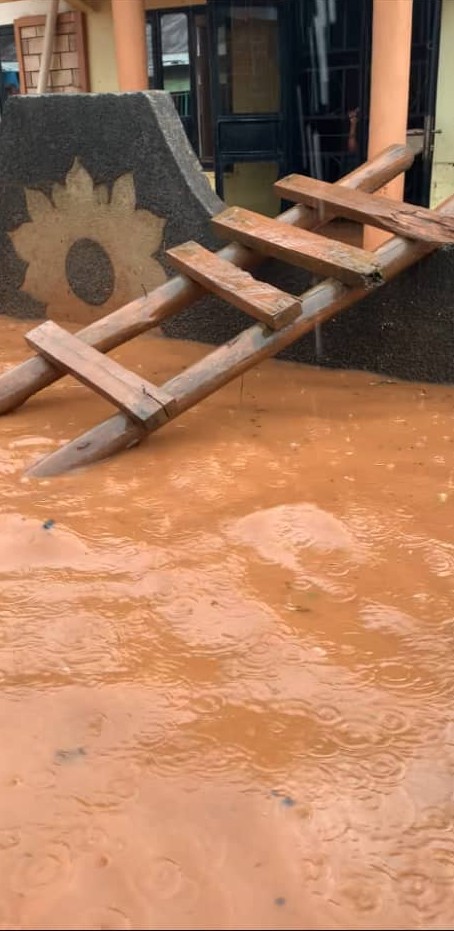
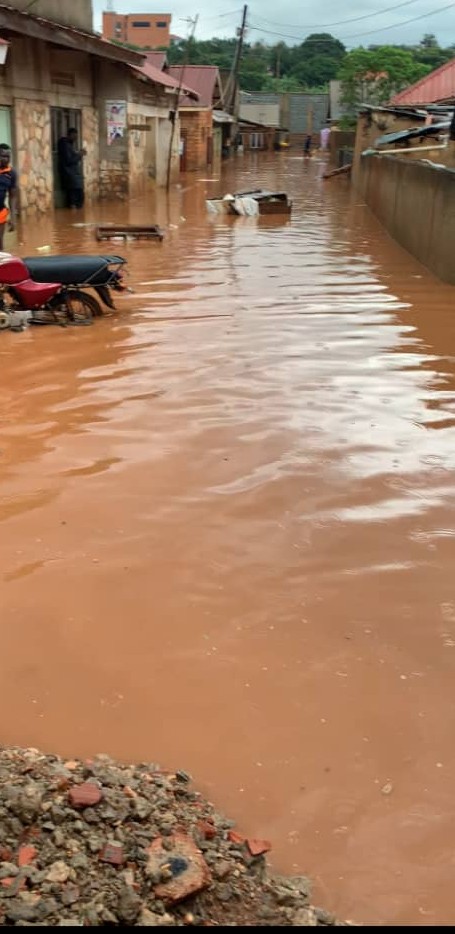
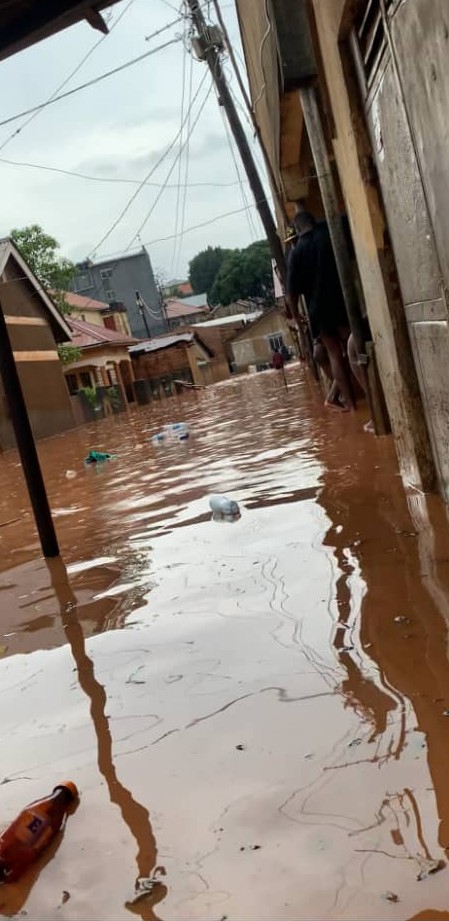
Flooding remains the most common and destructive hazard affecting Bwaise Parish and nearby communities. Due to the valley terrain and high population density, even moderate rainfall can lead to severe flooding.
During flood emergencies, TODFCO mobilizes community volunteers to conduct rapid assessments and identify the most vulnerable households. We coordinate fundraising efforts and collaborate with partners to provide humanitarian assistance. While we prioritize preparedness, we also recognize the importance of timely support for affected families.
Our response approach combines community mobilization with structured coordination to ensure assistance reaches those most in need.
Environmental awareness and climate adaptation strategies for disaster resilience
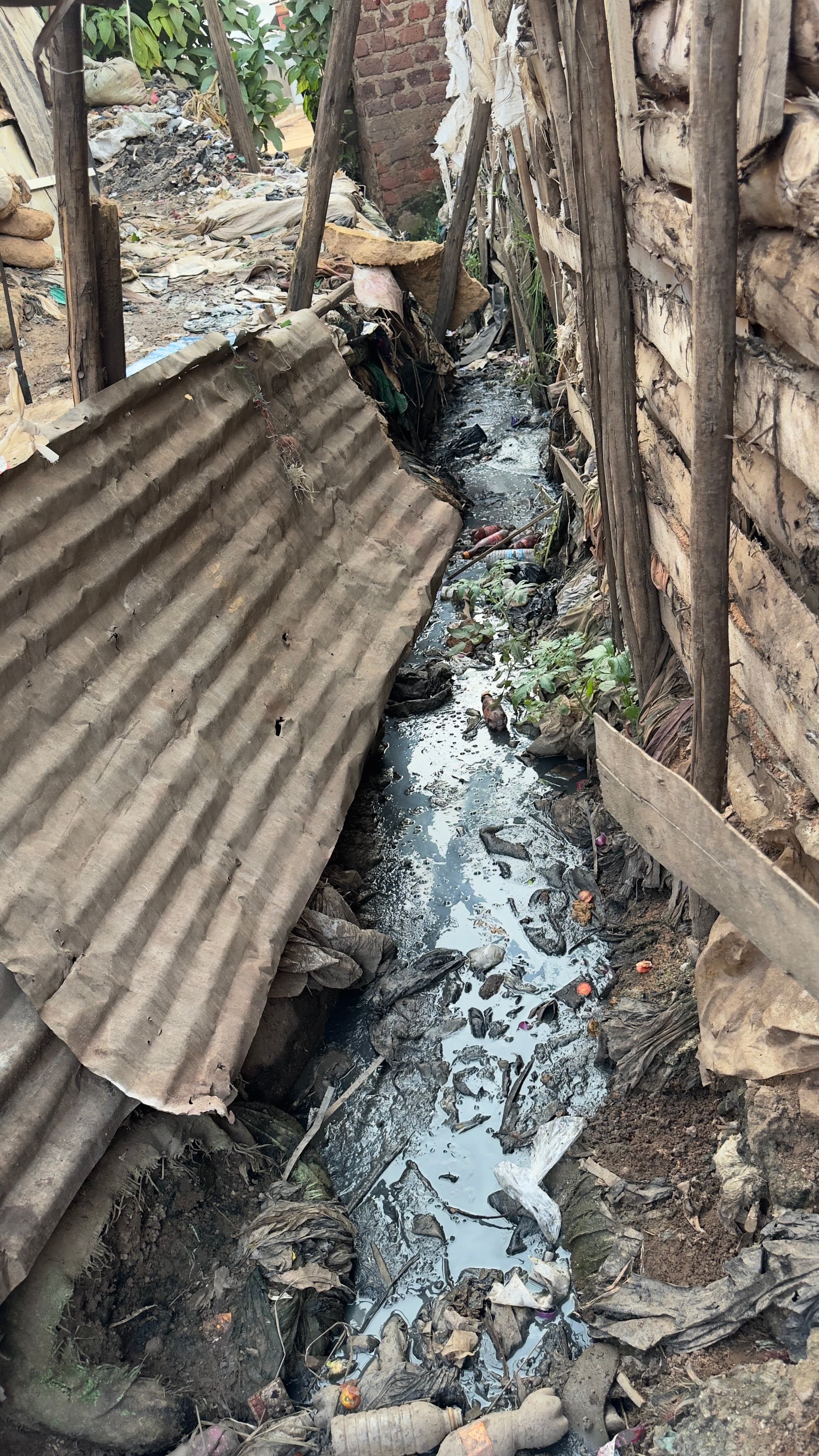
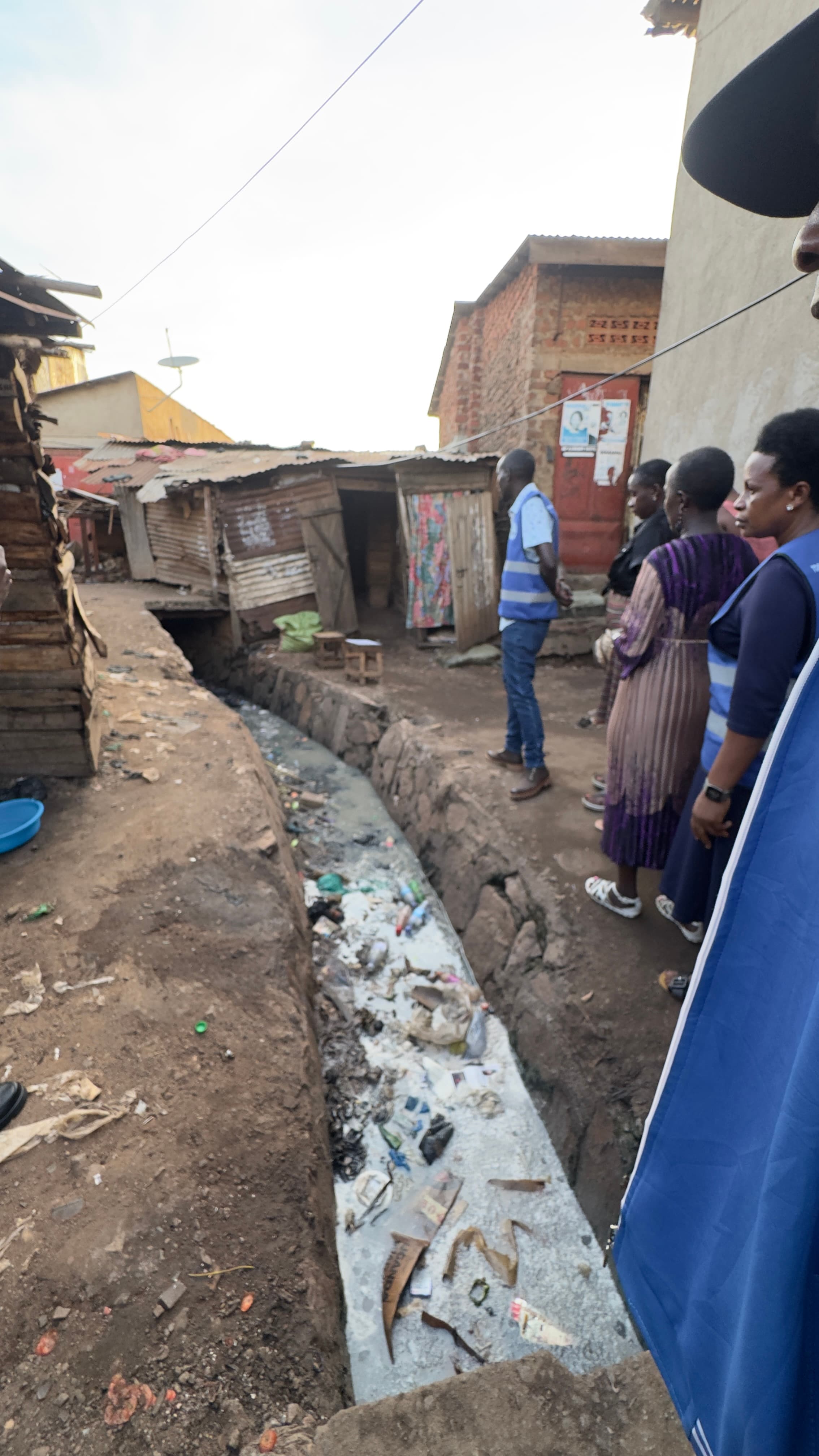
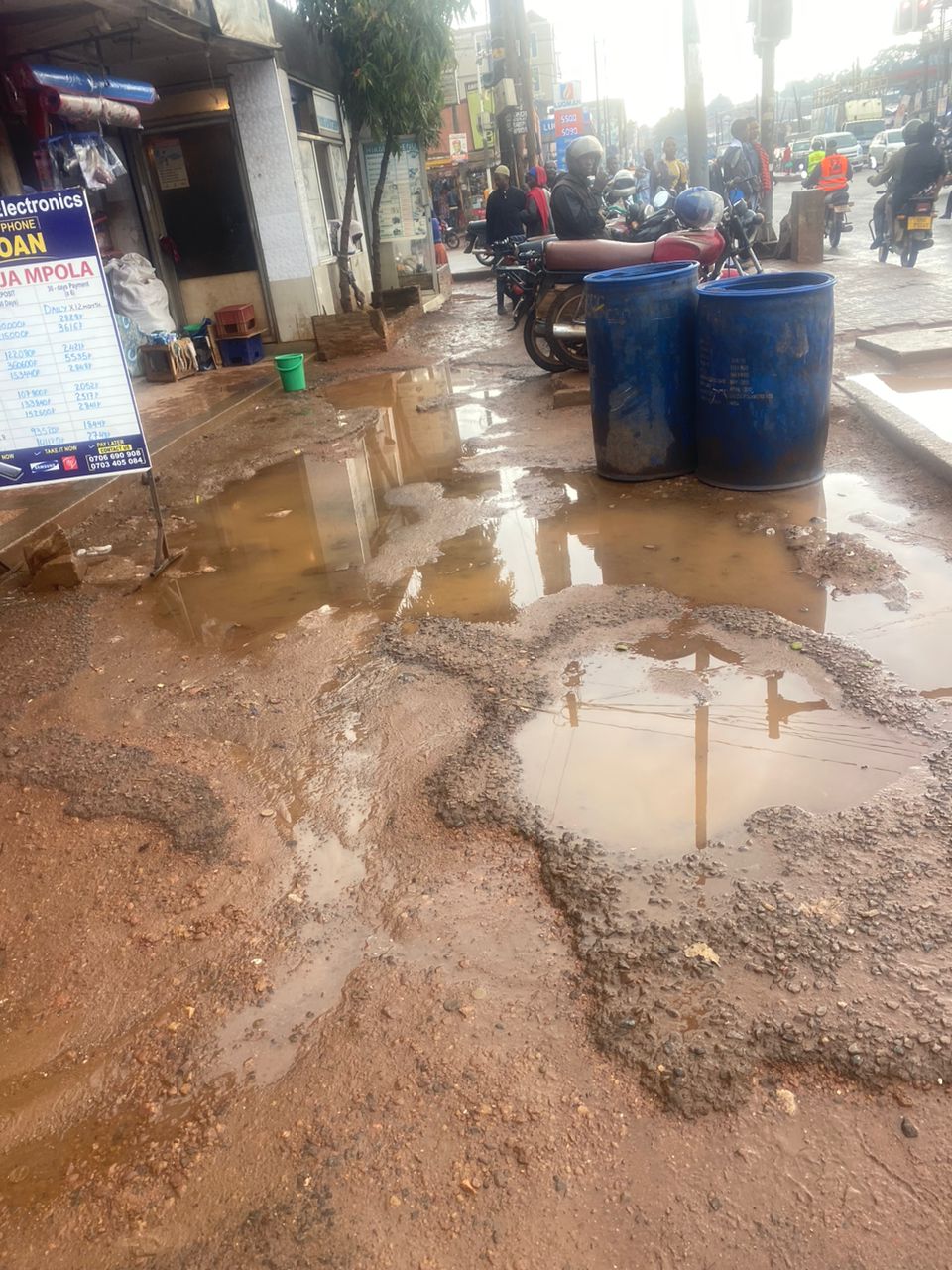
Climate variability has intensified rainfall patterns in Kampala. Environmental degradation, including blocked drainage channels and wetland encroachment, further increases flood risk.
TODFCO conducts community awareness sessions on climate change adaptation and environmental protection. We encourage responsible waste disposal, drainage protection, and sustainable settlement practices. Environmental awareness is not treated as a separate issue but as an integral component of disaster risk reduction.
Strengthening local skills and knowledge for sustainable disaster resilience
We established volunteer programs where young people in the community play an active role in environmental protection, including waste management awareness campaigns and neighborhood clean-ups. Their participation has strengthened long-term behavioural change and reduced environmental contributors to flooding.
Regular practical exercises that simulate emergency scenarios to test community response plans, identify gaps, and improve coordination during actual disasters.
Hands-on training sessions covering first aid, basic rescue techniques, emergency communication, and post-disaster recovery skills.
Building local leadership capacity to coordinate disaster response, manage resources, and maintain community resilience initiatives.
Coordinated emergency assistance and recovery support for affected communities
Rapid mobilization of volunteers and resources to provide immediate assistance during disaster events, including search and rescue operations.
Coordinated distribution of essential supplies including food, water, shelter materials, and hygiene items to affected households.
Supporting communities to rebuild and recover through livelihood restoration, infrastructure repair, and resilience strengthening.
Our humanitarian response is guided by principles of community participation, local ownership, and sustainability. We work closely with local leaders, government agencies, and partner organizations to ensure coordinated and effective response.
Through these combined efforts, TODFCO has helped shift Bwaise from a cycle of repeated crisis to a growing culture of preparedness and resilience. Flood impacts have reduced in severity in areas where interventions are sustained, and community confidence in managing disaster risks has significantly improved.
We continue to believe that lasting change begins with the people most affected - and together, we are building safer, stronger, and more resilient communities.
Reaching every household in Bwaise with flood awareness, prevention knowledge, and preparedness skills
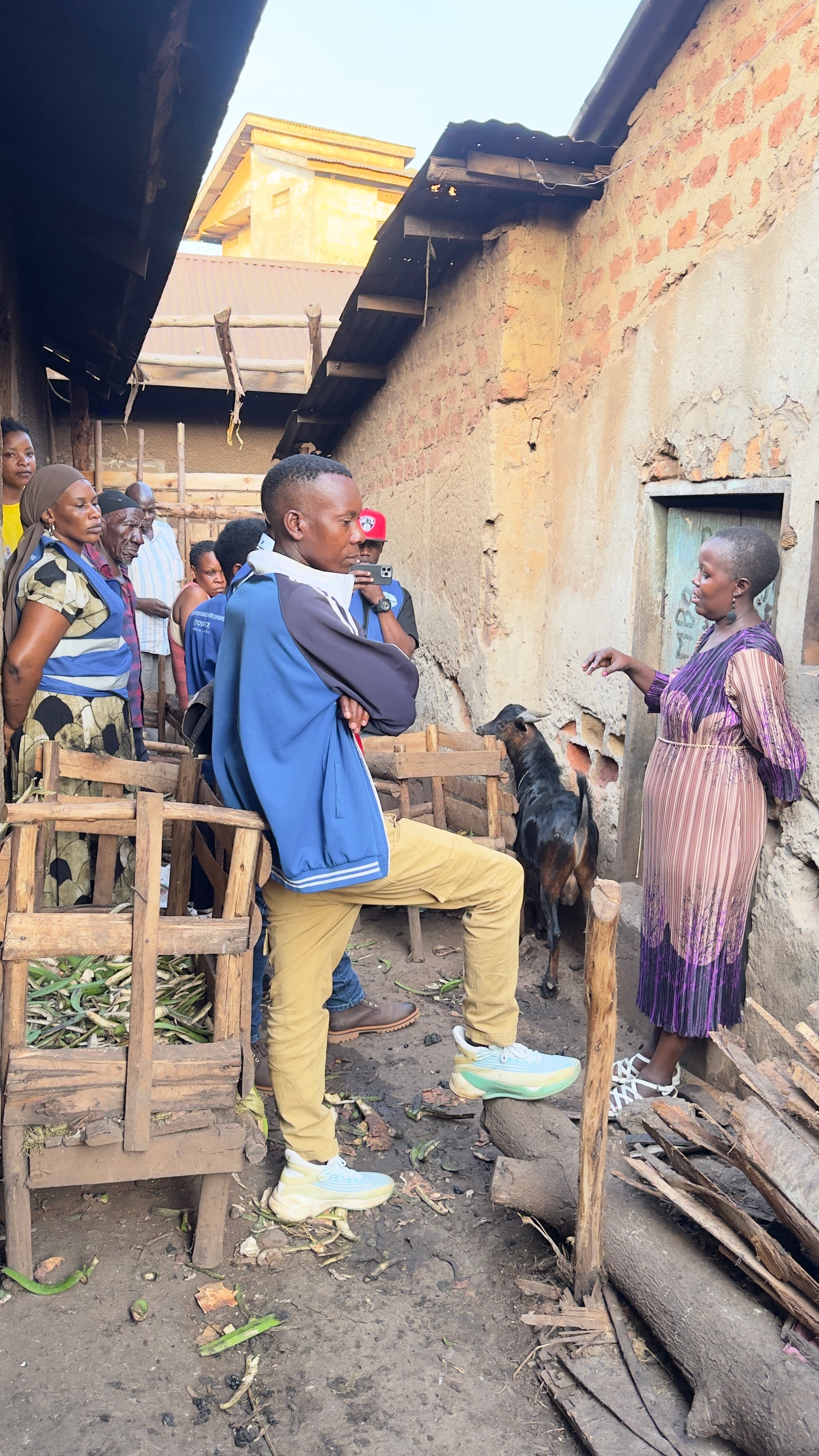
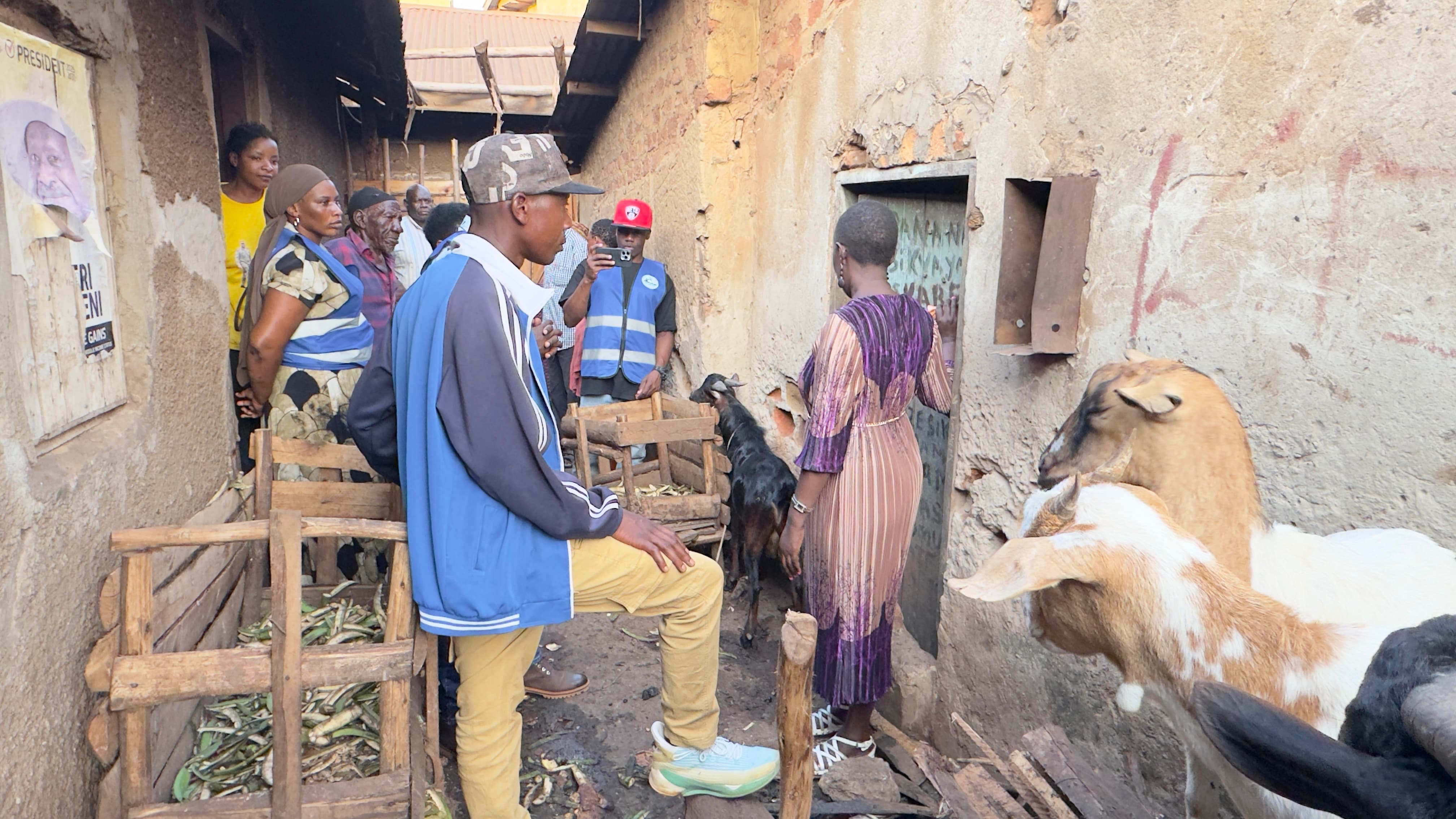
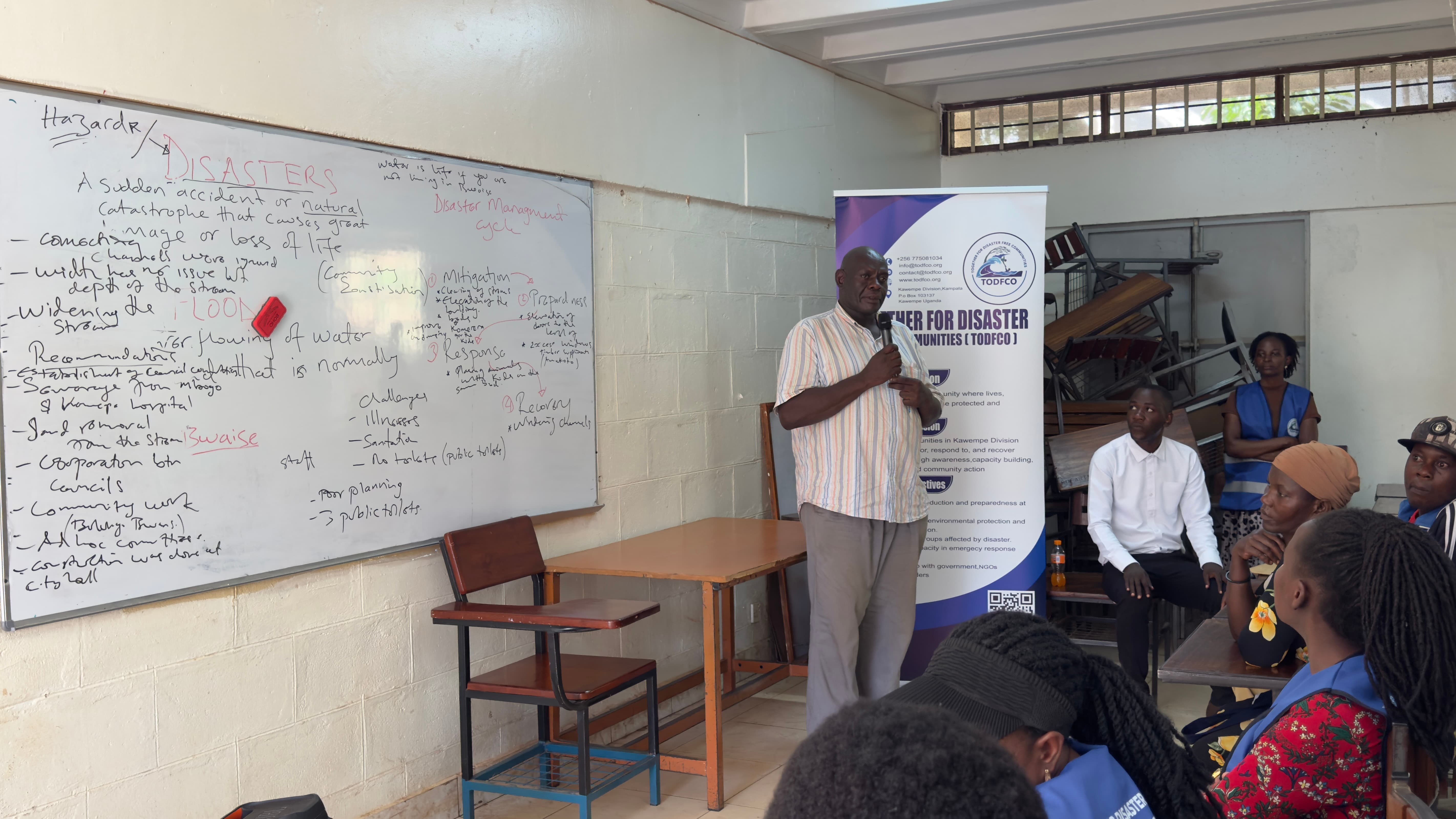
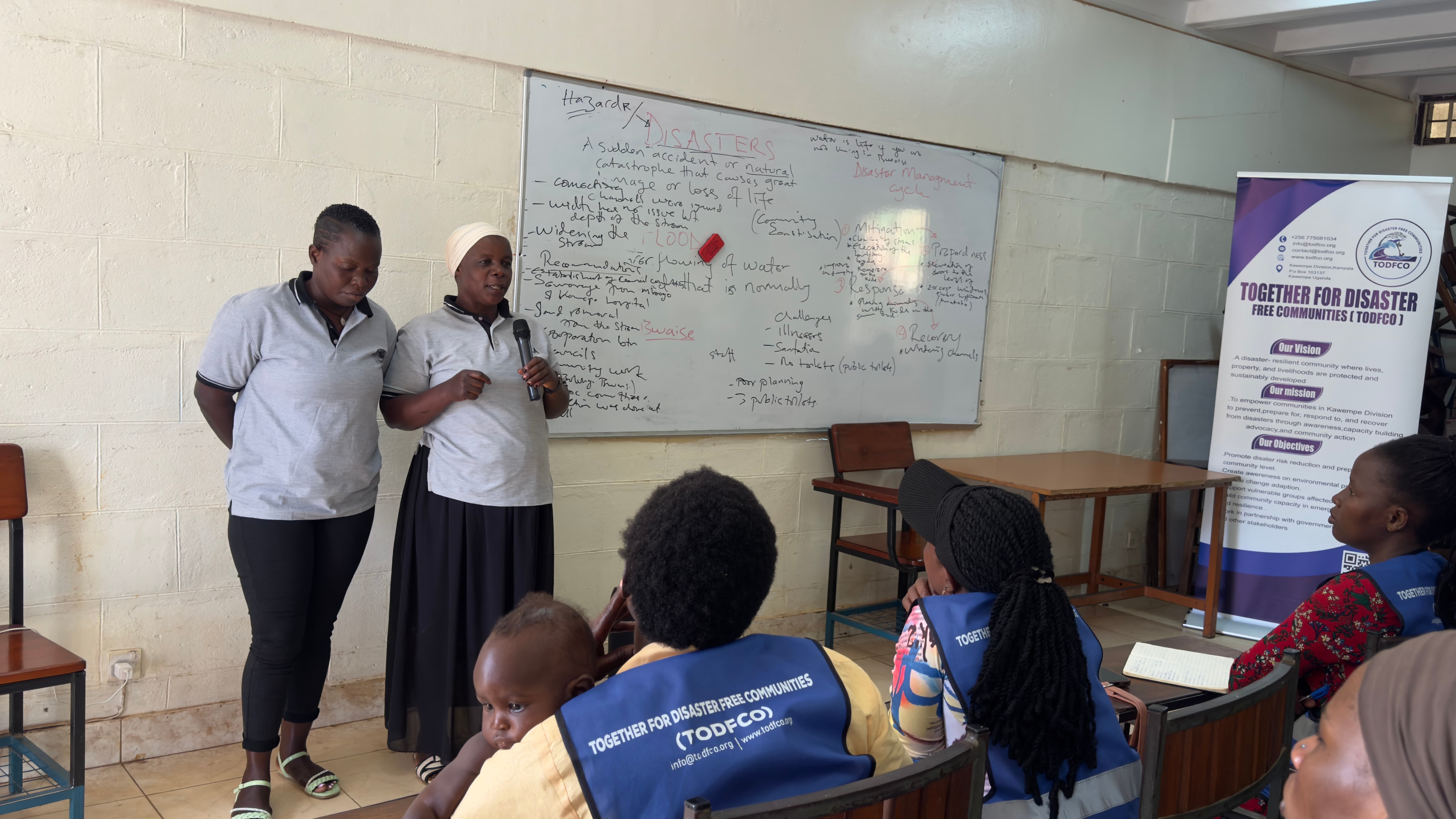
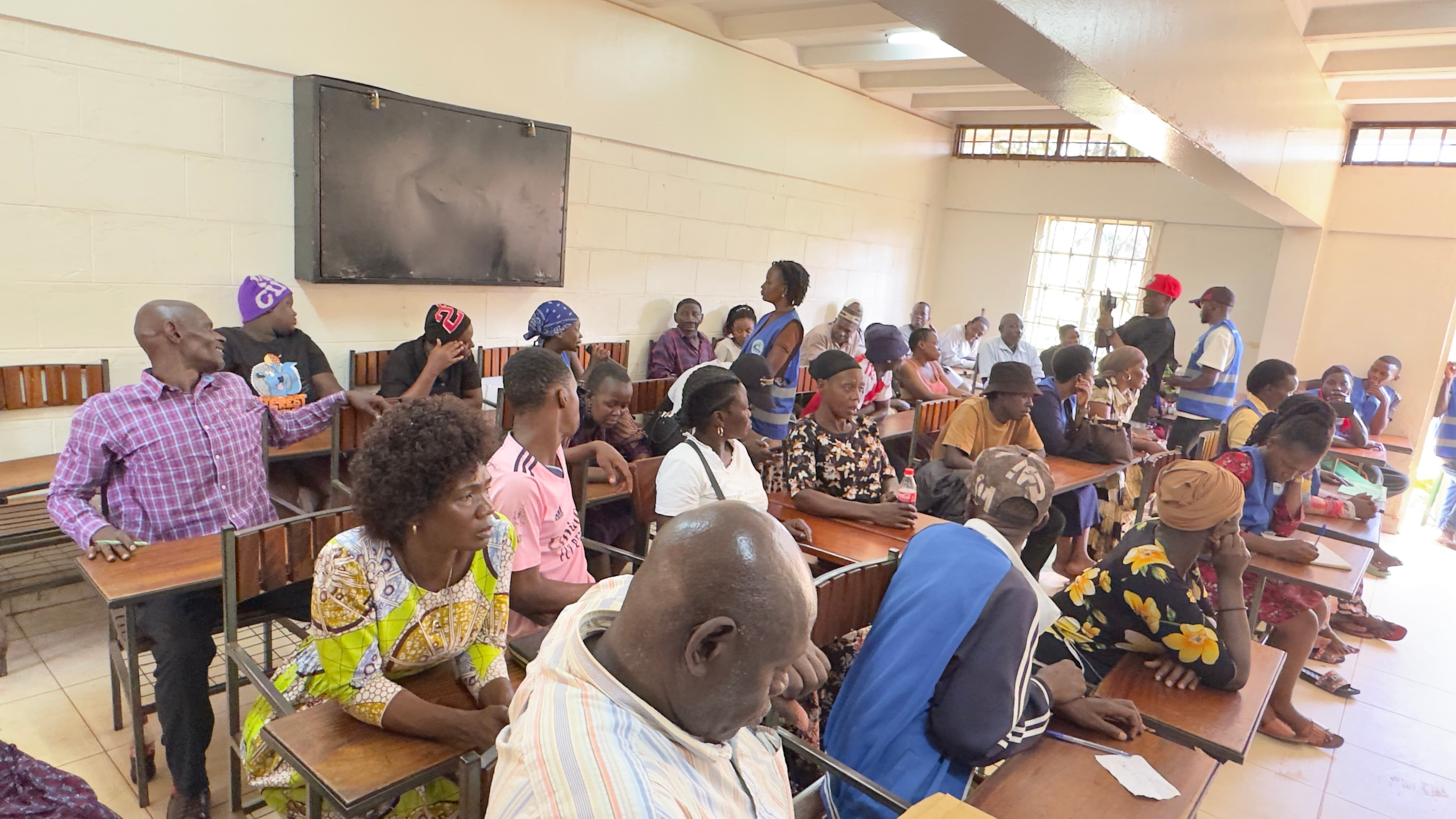
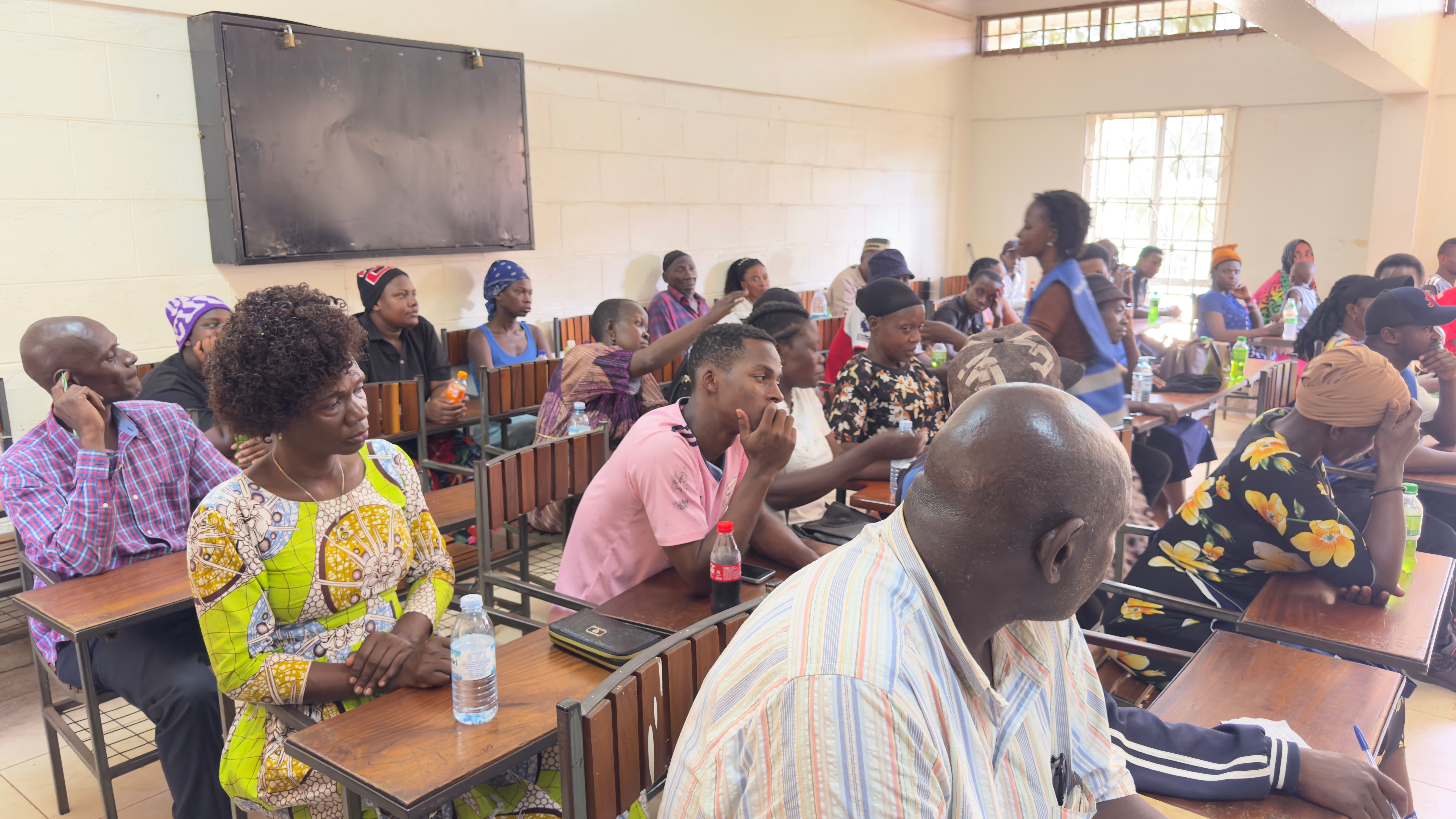
TODFCO's May 2026 community sensitization campaign was the organization's most comprehensive outreach to date. Teams moved through Bwaise Parish conducting structured education sessions, listening to residents, and documenting the community's flood challenges and needs.
The campaign combined classroom-style sessions with on-ground flood inspections, giving participants both theoretical knowledge and practical understanding of the flood risks in their specific zones.
"Water is life - if you are not living in Bwaise."
A disaster is a sudden accident or natural catastrophe that causes great damage or loss of life. At the May 2026 Bwaise conference, residents defined and mapped all four phases of disaster management for their community.
Community Sensitization
Real outcomes from TODFCO's work in Bwaise - measured in lives protected, families prepared, and communities transformed