Disaster Resources

Essential information, guides, and tools to help you prepare for, respond to, and recover from disasters

Emergency Contacts

Save these numbers - they could save lives during an emergency

๐Ÿšจ

TODFCO Emergency Hotline

+256 775 081 034

Available 24/7 for disaster response assistance

๐Ÿš’

Fire Brigade

0800 121222

For fire emergencies and rescue operations

๐Ÿš‘

Ambulance Services

039 2177174

Medical emergencies and ambulance services

๐Ÿ‘ฎ

Police Emergency

999

Security emergencies and police assistance

๐Ÿข

KCCA Emergency

0800 299 000

Kampala Capital City Authority emergency services

๐ŸŒŠ

Flood Early Warning

+256 414 251798

Uganda Meteorological Authority flood warnings

Disaster Preparedness Guides

Comprehensive guides to help you prepare for different types of disasters

๐ŸŒŠ

Flood Preparedness Guide

Everything you need to know to prepare for floods, including evacuation planning, emergency kits, and home protection measures.

๐Ÿ“„ PDF Download ๐Ÿ“– 15 pages ๐ŸŒ Luganda & English
๐Ÿ 

Home Safety Checklist

Step-by-step checklist to make your home disaster-ready. Includes structural improvements and emergency planning.

๐Ÿ“„ PDF Download ๐Ÿ“– 8 pages ๐ŸŒ Luganda & English
๐ŸŽ’

Emergency Kit Guide

Complete guide to building and maintaining an emergency kit for your family. Includes supply lists and storage tips.

๐Ÿ“„ PDF Download ๐Ÿ“– 12 pages ๐ŸŒ Luganda & English
๐Ÿ‘จโ€๐Ÿ‘ฉโ€๐Ÿ‘งโ€๐Ÿ‘ฆ

Family Emergency Plan

Create a comprehensive family emergency plan with communication strategies, meeting points, and role assignments.

๐Ÿ“„ PDF Download ๐Ÿ“– 10 pages ๐ŸŒ Luganda & English
โ›‘๏ธ

First Aid Manual

Basic first aid procedures for common injuries during disasters. Includes CPR, wound care, and emergency response.

๐Ÿ“„ PDF Download ๐Ÿ“– 20 pages ๐ŸŒ Luganda & English
๐Ÿ”ฅ

Fire Safety Guide

Fire prevention and response guide for homes and businesses. Includes evacuation procedures and fire extinguisher use.

๐Ÿ“„ PDF Download ๐Ÿ“– 14 pages ๐ŸŒ Luganda & English

Training Materials

Educational resources for community training and capacity building

Community Training Modules

๐ŸŽ“

Disaster Risk Reduction Basics

Introduction to disaster concepts and risk assessment for community members

โฑ๏ธ 2 hours ๐Ÿ‘ฅ 20-30 participants ๐Ÿ“ฑ Available on mobile
๐Ÿšจ

Emergency Response Procedures

Step-by-step procedures for responding to different types of emergencies

โฑ๏ธ 3 hours ๐Ÿ‘ฅ 15-25 participants ๐Ÿ“ฑ Available on mobile
๐ŸŒ

Climate Change Adaptation

Understanding climate change impacts and adaptation strategies for communities

โฑ๏ธ 2.5 hours ๐Ÿ‘ฅ 25-40 participants ๐Ÿ“ฑ Available on mobile

Technical Resources

๐Ÿ—บ๏ธ

Risk Mapping Tools

Tools and templates for community risk mapping and vulnerability assessment

๐Ÿ“Š Excel templates ๐Ÿ—บ๏ธ Mapping guides ๐Ÿ“ฑ Mobile app links
๐Ÿ“Š

Assessment Forms

Standardized forms for damage assessment, needs assessment, and impact evaluation

๐Ÿ“„ PDF forms ๐Ÿ“ฑ Mobile forms ๐Ÿ“Š Analysis templates
๐Ÿ“ฑ

Mobile Apps & Tools

Recommended mobile applications for disaster preparedness and response

๐Ÿ“ฒ Android & iOS ๐Ÿ†“ Free apps ๐Ÿ“– User guides

Early Warning Systems

Stay informed with real-time disaster alerts and warning systems

๐Ÿ“ฑ

SMS Alert System

Receive disaster alerts directly on your mobile phone through our SMS warning system.

  • Real-time flood warnings
  • Weather alerts
  • Evacuation notices
  • Safety instructions
๐Ÿ“ข

Community Alert Network

Local community alert system using megaphones, mosque speakers, and community leaders.

  • Neighborhood alerts
  • Community meetings
  • Volunteer messengers
  • Local language alerts

๐Ÿ“ Available in: Bwaise, Kawempe, Kubiri

๐Ÿ“ข Coverage: 90% of households

๐ŸŒ

Online Warning Portal

Web-based portal with real-time disaster information, maps, and safety guidelines.

  • Live weather updates
  • Interactive flood maps
  • Safety guidelines
  • Emergency contacts
Access Portal โ†’

Frequently Asked Questions

Quick answers to common questions about disaster preparedness and our services

What should I include in my emergency kit?

+

Your emergency kit should include: water (1 gallon per person per day), non-perishable food (3-day supply), flashlight, batteries, first aid kit, medications, important documents, cash, emergency contacts, and personal hygiene items. Also include items specific to your family's needs such as baby supplies, pet food, or medical equipment.

How do I know if my area is at risk of flooding?

+

Signs of flood risk include: history of flooding in your area, proximity to drainage channels or wetlands, low-lying topography, poor drainage infrastructure, and heavy rainfall forecasts. TODFCO provides risk mapping services and can help assess your specific location's vulnerability.

What should I do during a flood warning?

+

During a flood warning: stay informed through official channels, prepare to evacuate if instructed, move to higher ground, secure important documents, turn off utilities if possible, avoid walking or driving through flood waters, and follow evacuation routes. Keep your emergency kit accessible and charge your mobile devices.

How can I volunteer with TODFCO?

+

You can volunteer by: filling out our volunteer application form, attending our monthly volunteer orientation, choosing your area of interest (emergency response, community outreach, environmental protection, or training), and committing to regular participation. No special skills required - we provide all necessary training.

How does TODFCO help during emergencies?

+

TODFCO provides: rapid needs assessment, emergency response coordination, evacuation assistance, relief distribution, temporary shelter support, first aid services, and recovery planning. We work closely with government agencies and other organizations to ensure comprehensive emergency response.

What training does TODFCO provide?

+

We provide training in: disaster risk reduction, emergency response procedures, first aid and CPR, search and rescue techniques, climate change adaptation, environmental protection, community organizing, and leadership development. Training is available in both Luganda and English.

From the Field: Outreach in Action

TODFCO's resources are built from real community engagement - here's what that looks like on the ground in Bwaise

Knowledge Built from Community

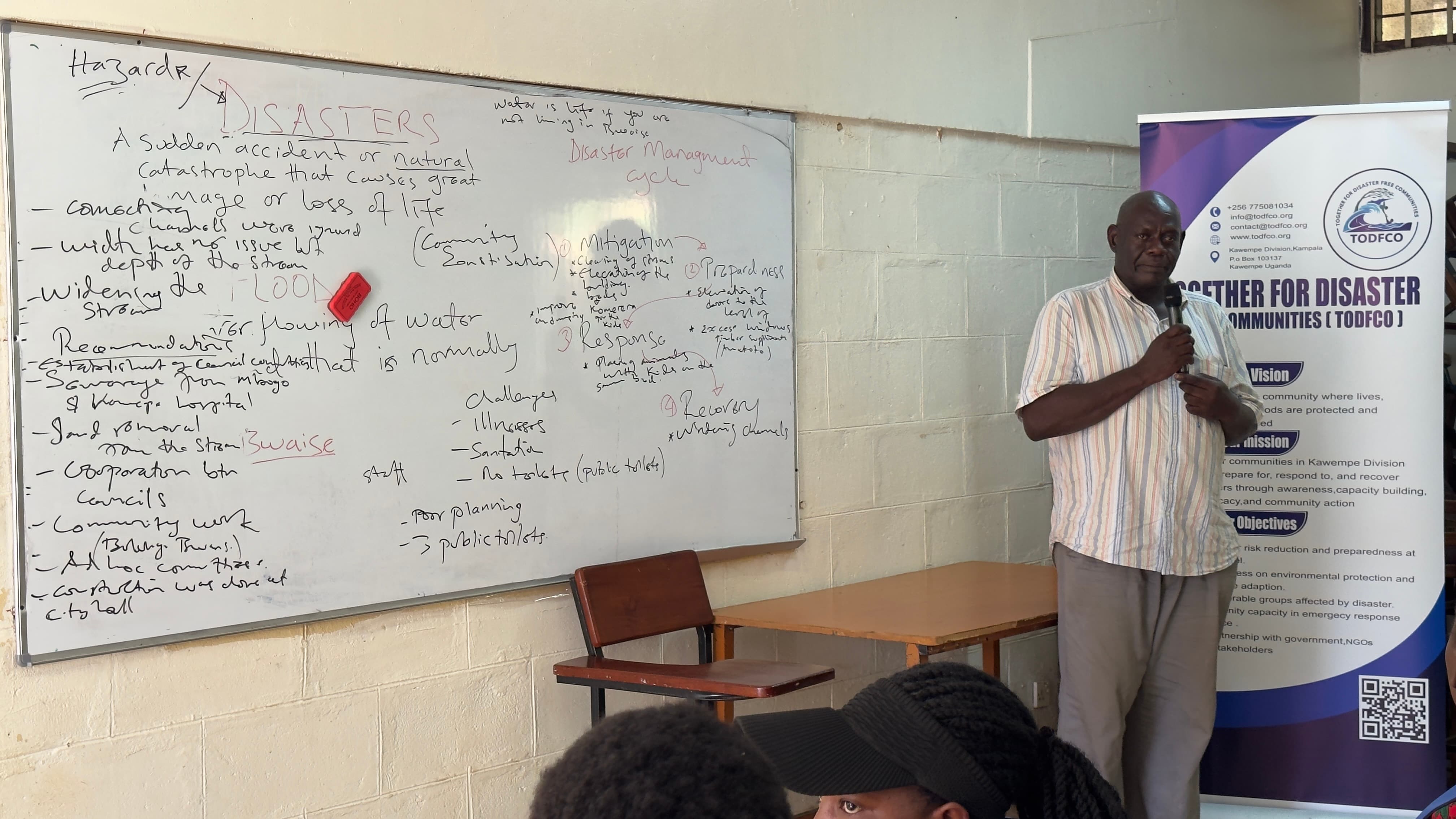
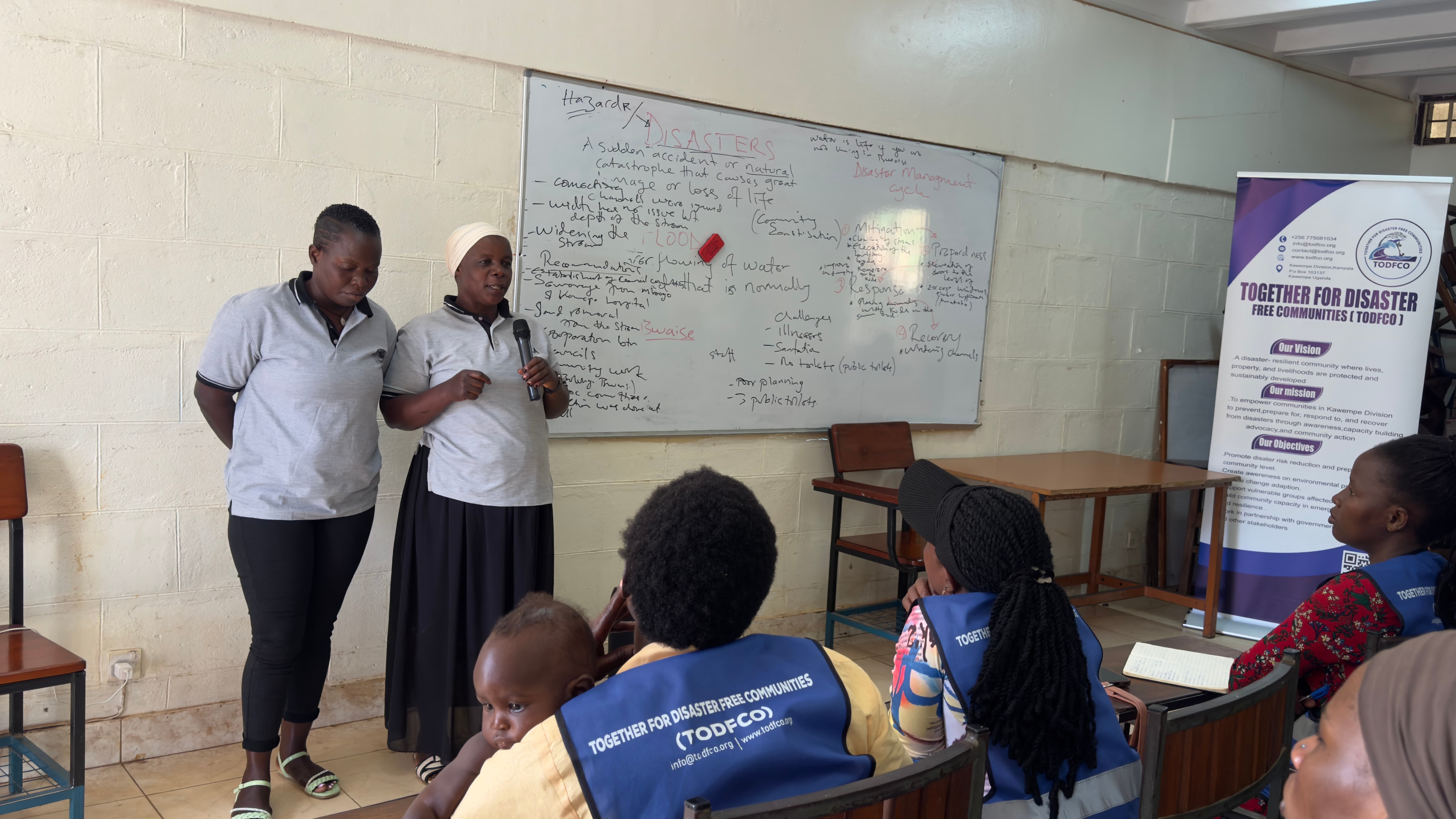
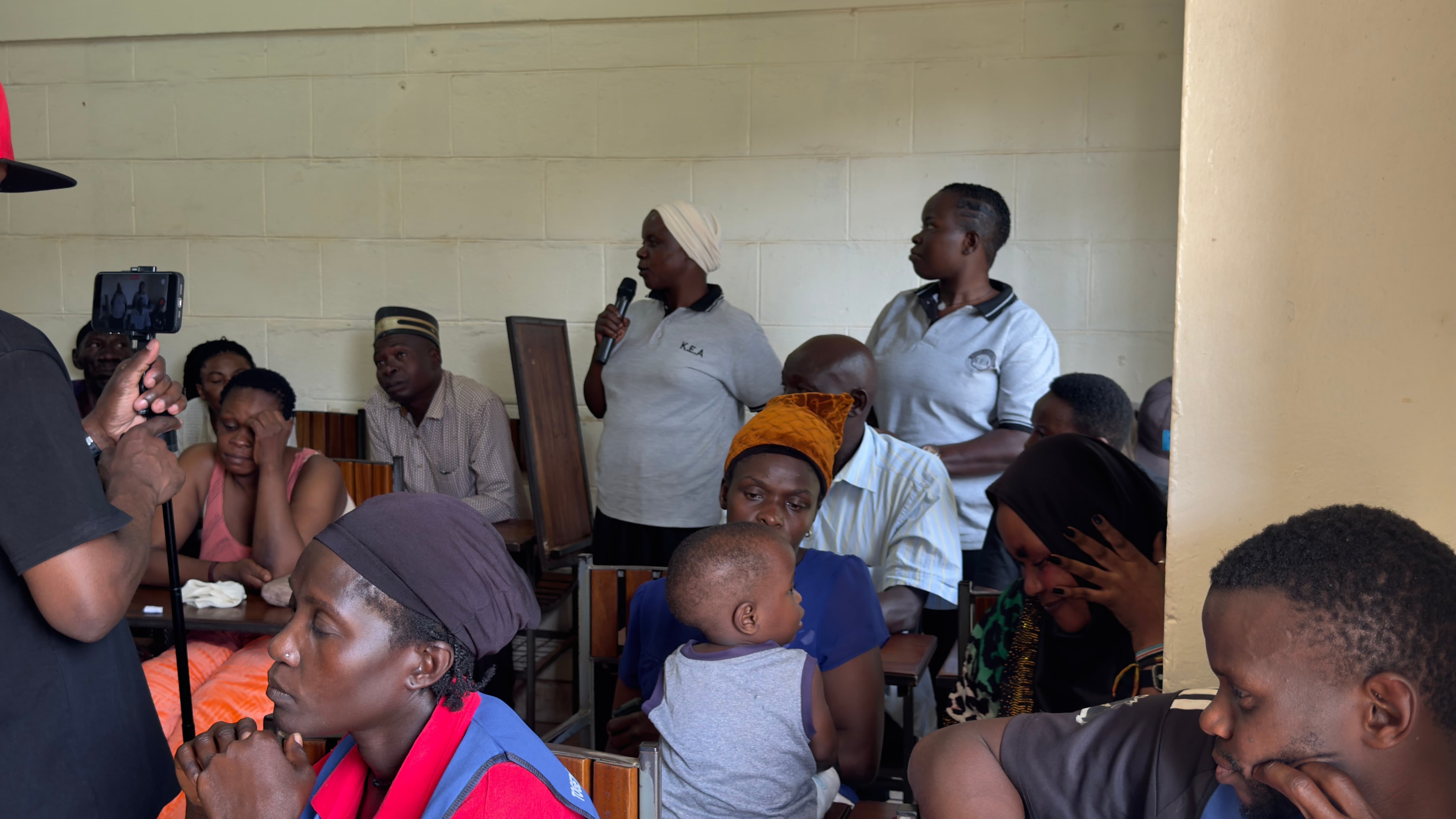
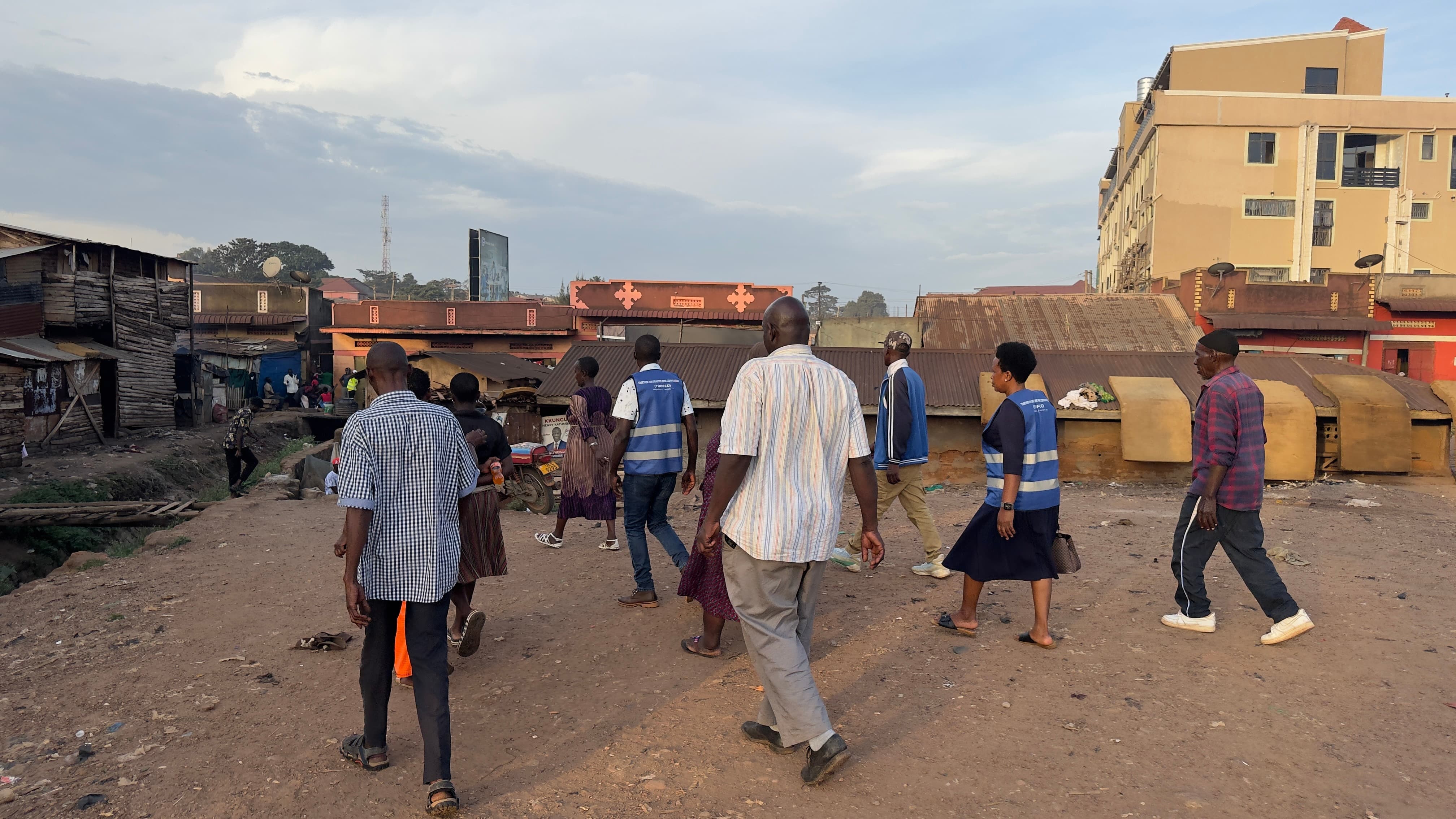
Every guide, checklist, and training module TODFCO produces is grounded in real community experience. Our May 2026 outreach in Bwaise Parish generated critical insights - from household flood vulnerabilities to community-identified solutions - that directly inform our resources.

The voices of Bwaise residents, the findings from field inspections, and the lessons from community dialogue sessions are all embedded in the resources we share. This is what makes TODFCO's materials relevant, practical, and trusted by the communities we serve.

See Our Work in Photos
Community outreach Field work Community engagement Sensitization session
300+
Residents Engaged
15+
Education Sessions
5
Zones Inspected
200+
Households Assessed
100+
Volunteers Active
Why Preparedness Matters: Voices from Bwaise

The people of Bwaise know better than anyone why disaster preparedness resources are not optional - they are essential

"

"Water is life when you are not living in Bwaise."

Bwaise resident
Bwaise resident

May 2026 Outreach

"

"If it were not for floods, Bwaise would be the richest place in Uganda. Every time it rains, floods cause losses that consume much of our income during recovery."

Bwaise resident
Bwaise Resident

May 2026 Outreach

"

"The disaster preparedness training gave me confidence. Now I know what to do when floods come, and I can help my neighbours too."

Community volunteer
Village Chairman

Community Volunteer

Join Our Team Contact Us